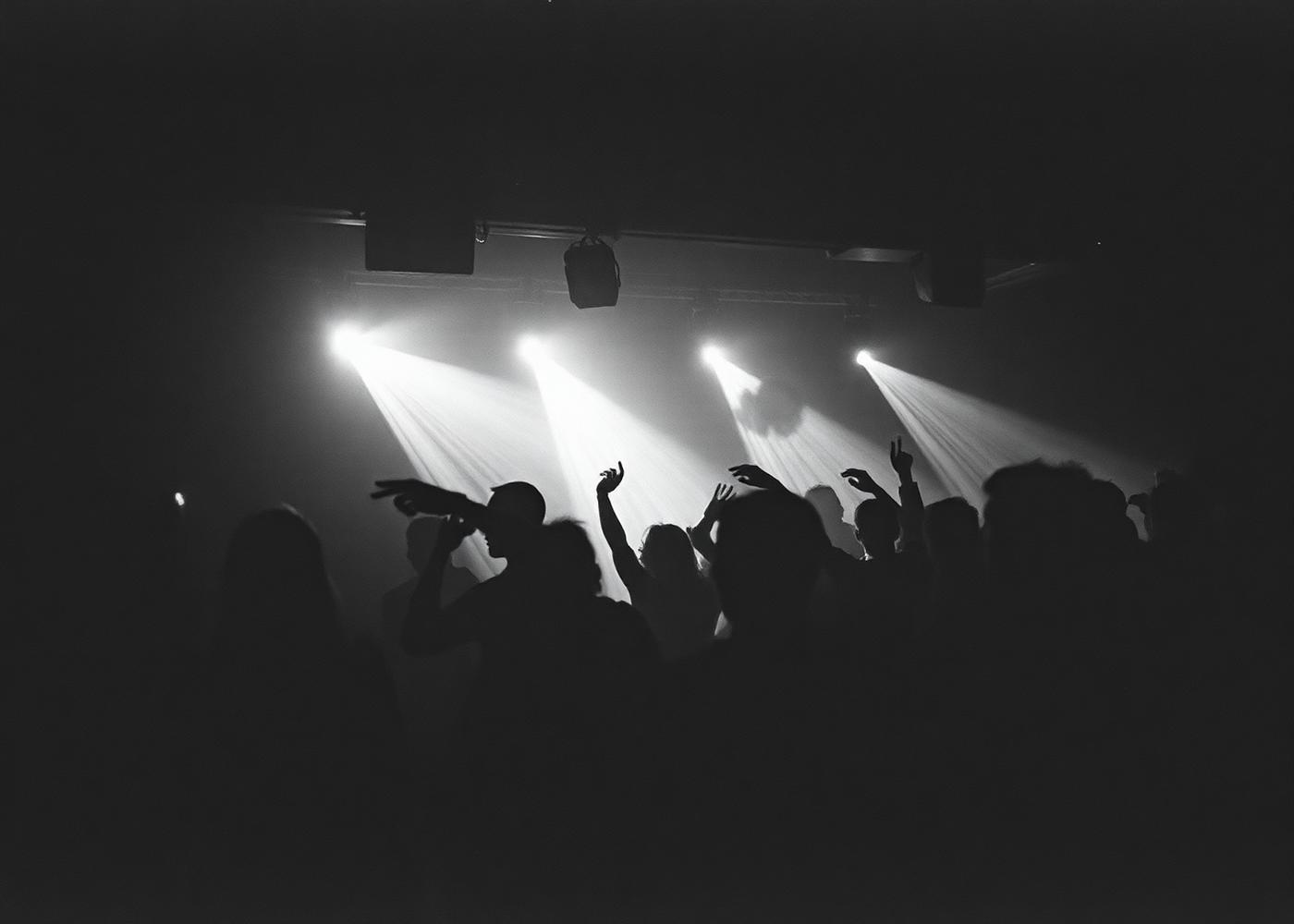
1979–1985
New Wave in Belgium
Cold synths, black coats and cheap drum machines: how Belgian new wave turned austerity into a sound.
Belgium's music memory, reimagined
Music Archives Belgium
Preserving the past.
Inspiring the future.
What is MABEL?
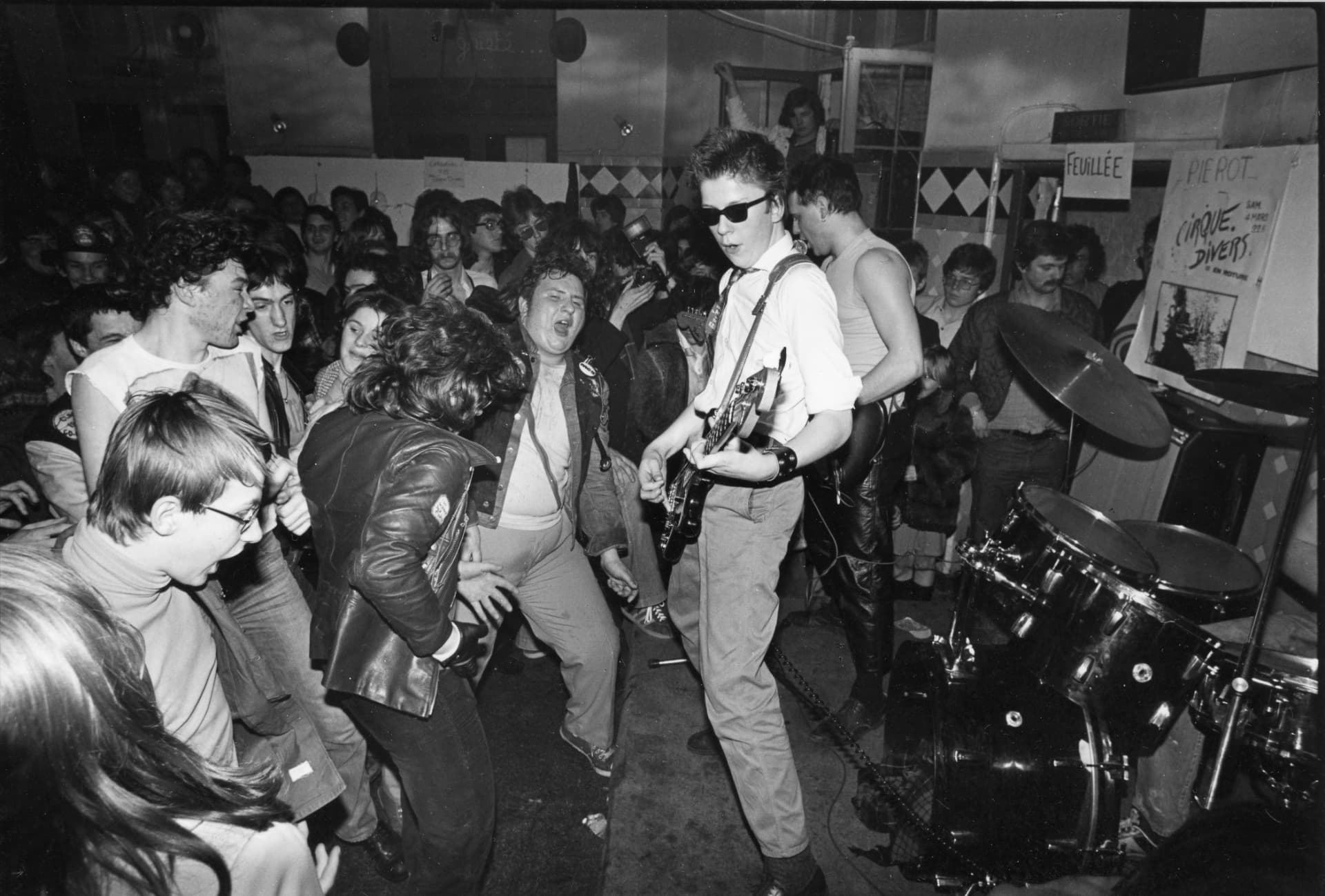
MABEL preserves Belgian music heritage through archives, photography, publications, documentaries, exhibitions and — one day — a museum. But we don't start with vitrines. We start with the material itself: the negatives, the tapes, the posters glued to a wall for one night in 1979.
Belgium produced punk, new wave, EBM and new beat that shaped music far beyond its borders. Most of that history sits in attics, shoeboxes and basements, quietly decaying. MABEL exists to rescue it, digitise it and give it back — as stories worth reading, images worth seeing and sounds worth hearing.
Featured Archive
12,400+PhotographyGig, backstage & street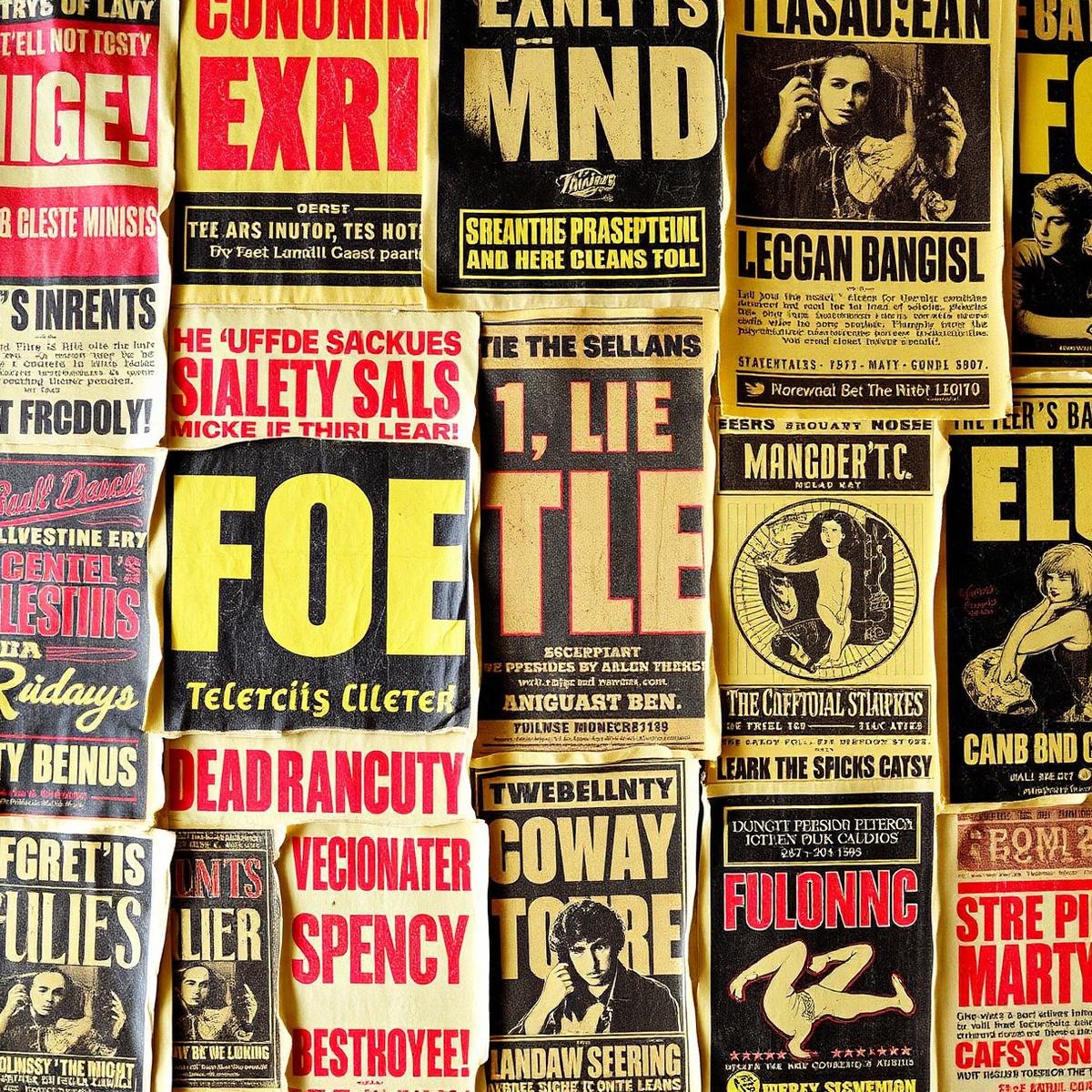 3,100+PostersScreenprints & offset
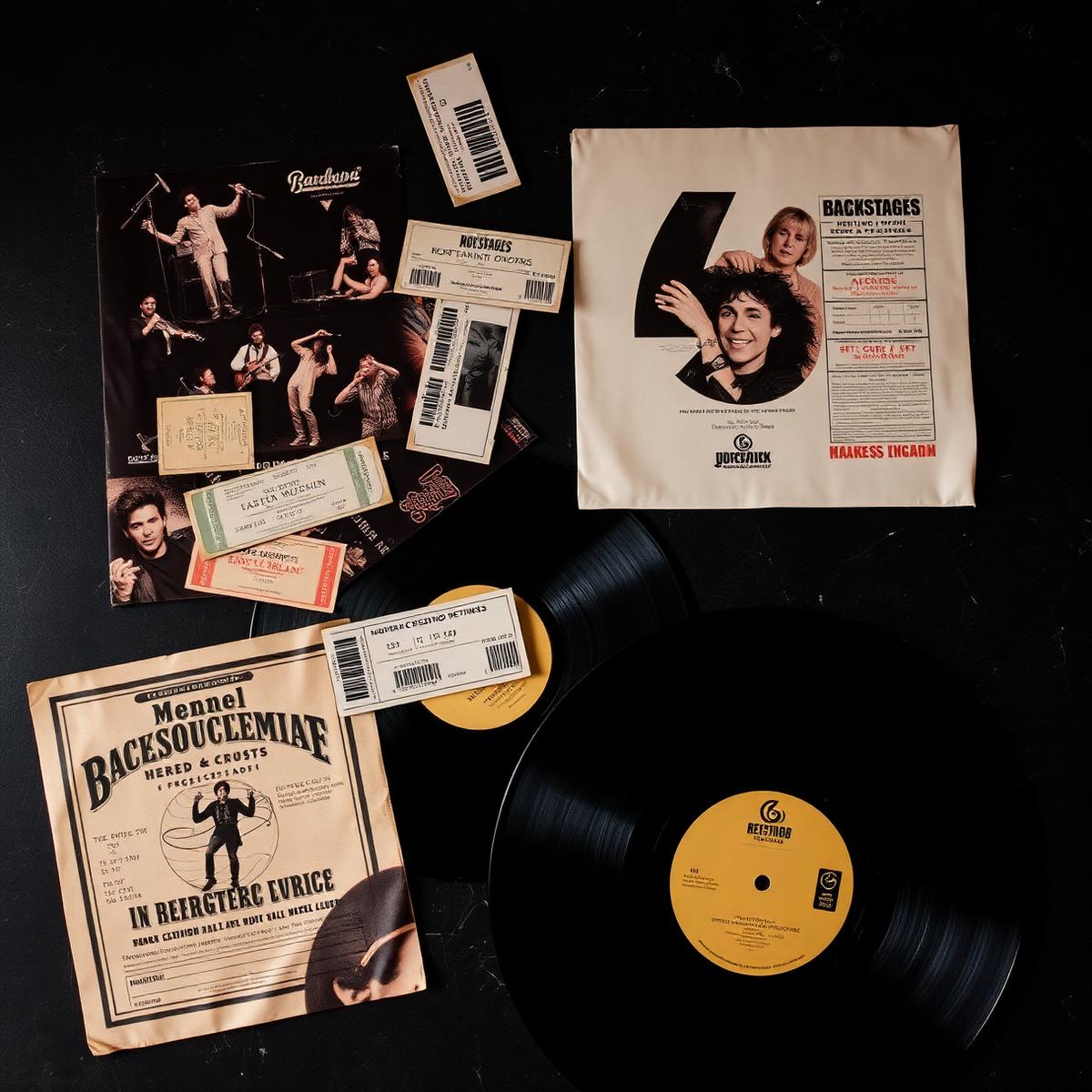 8,700+VinylSingles, LPs, test pressings6,200+FlyersClubs, squats, festivals1,450+FanzinesDIY print culture2,900+AudioTapes, demos, radio sessions780+VideoLive footage & TV60+GuitarsStage-used instruments2,000+MemorabiliaBadges, shirts, passes5,300+DocumentsContracts, letters, riders1,900+MagazinesBelgian & international9,000+Press clippingsReviews & interviews
Belgian Music Timeline
1950s
Belgian dancehalls discover electric guitars. Homegrown rockers press their first singles.
1960s
Beat clubs multiply. Belgian bands answer the British invasion with their own raw sound.
1970s
1976–1979: a DIY explosion. Fanzines, squats, cheap amplifiers and no future.
1980s
Belgium becomes a laboratory: cold synths, body music and the 33rpm-at-45 accident.
1990s
Guitar noise meets rave. Belgian labels export a sound to the rest of the world.
2000+
Fragmented, global, restless — and already becoming tomorrow's archive.
Scroll sideways →
Featured Stories
1979–1985
Cold synths, black coats and cheap drum machines: how Belgian new wave turned austerity into a sound.
1980–
Punk didn't stop in 1979. Sweaty back rooms, sharper guitars and a second wave that kept the noise going.
1950–1975
Dancehalls, beat clubs and showbands: the electric first chapter of Belgian popular music.
Studios
Home studios, tape machines and self-built synths — the Belgians who wired the future.
Photographers
The photographers who stood in the front row, and the negatives sitting in shoeboxes ever since.
Bloody Belgium
Belgian Punk 1976–1979
Publications
Published by Les Iles Publishers, Bloody Belgium documents the explosion of Belgian punk between 1976 and 1979 through unseen photography, flyers, fanzines and first-hand testimony. It is the project from which MABEL grew — and the first of a series.
Documentary · In production
A feature documentary tracing Belgian punk and its aftershocks, built from archive footage, unseen photography and the people who were there.
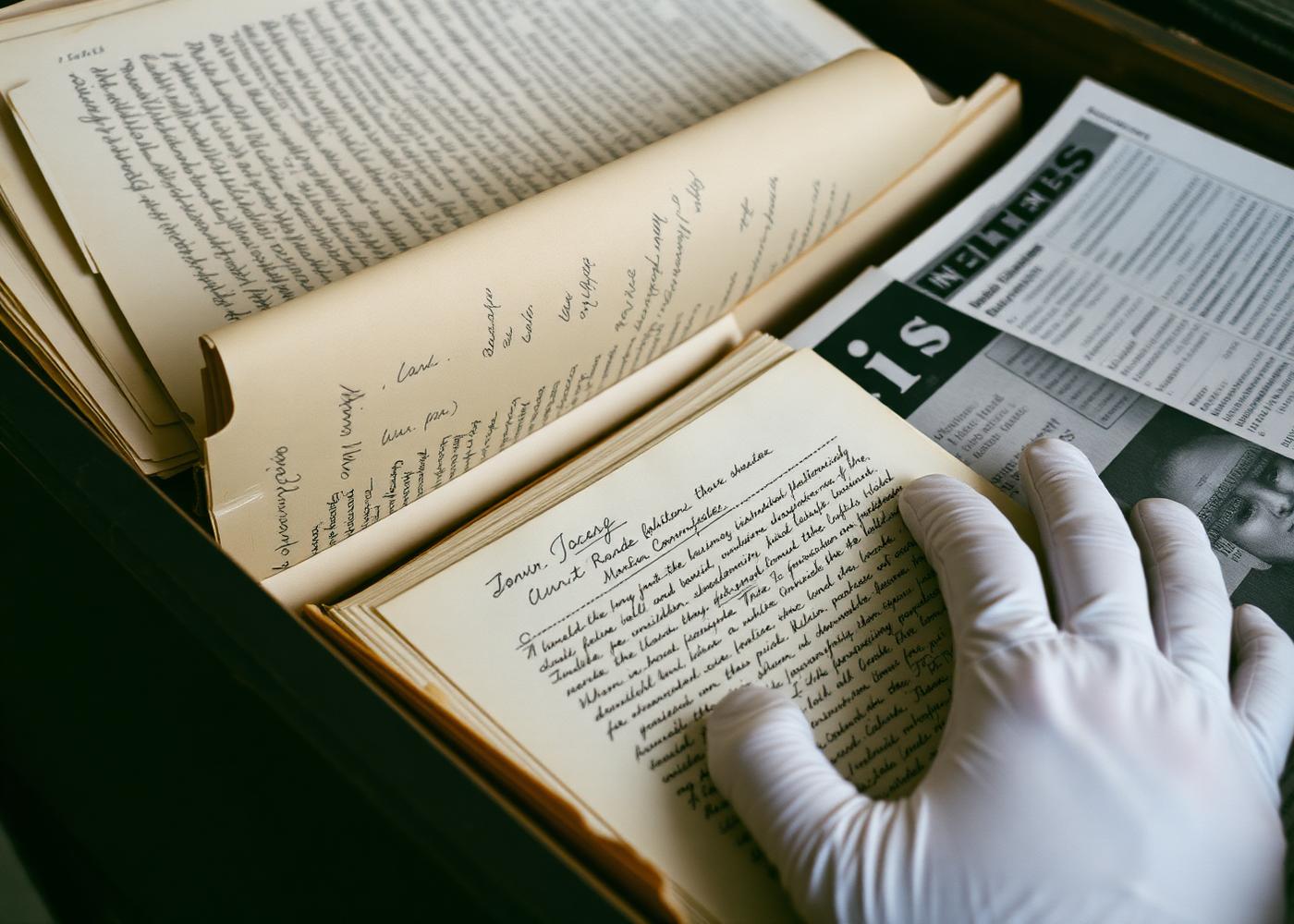
The Collection
Photography, audio, posters, tickets, passes, vinyl, letters, setlists, instruments — catalogued item by item, and eventually searchable by everyone.
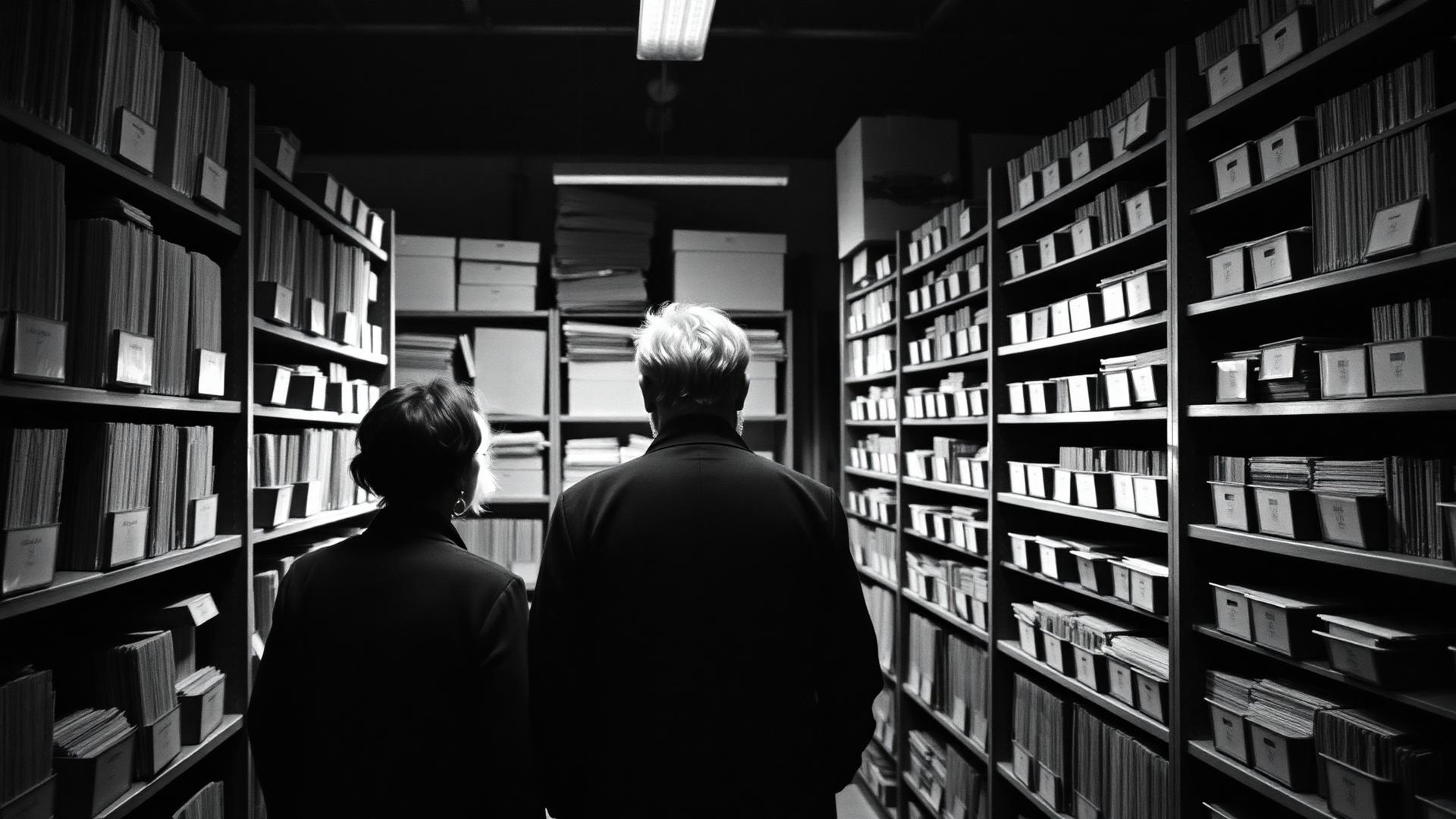
Future Museum
MABEL begins as a digital archive and will grow into a physical museum, exhibition space and research centre for Belgian music heritage.
Support MABEL
Donate a collection, become a partner, fund digitisation, volunteer or sponsor the archive. Every rescued box is a piece of Belgian music history that survives.